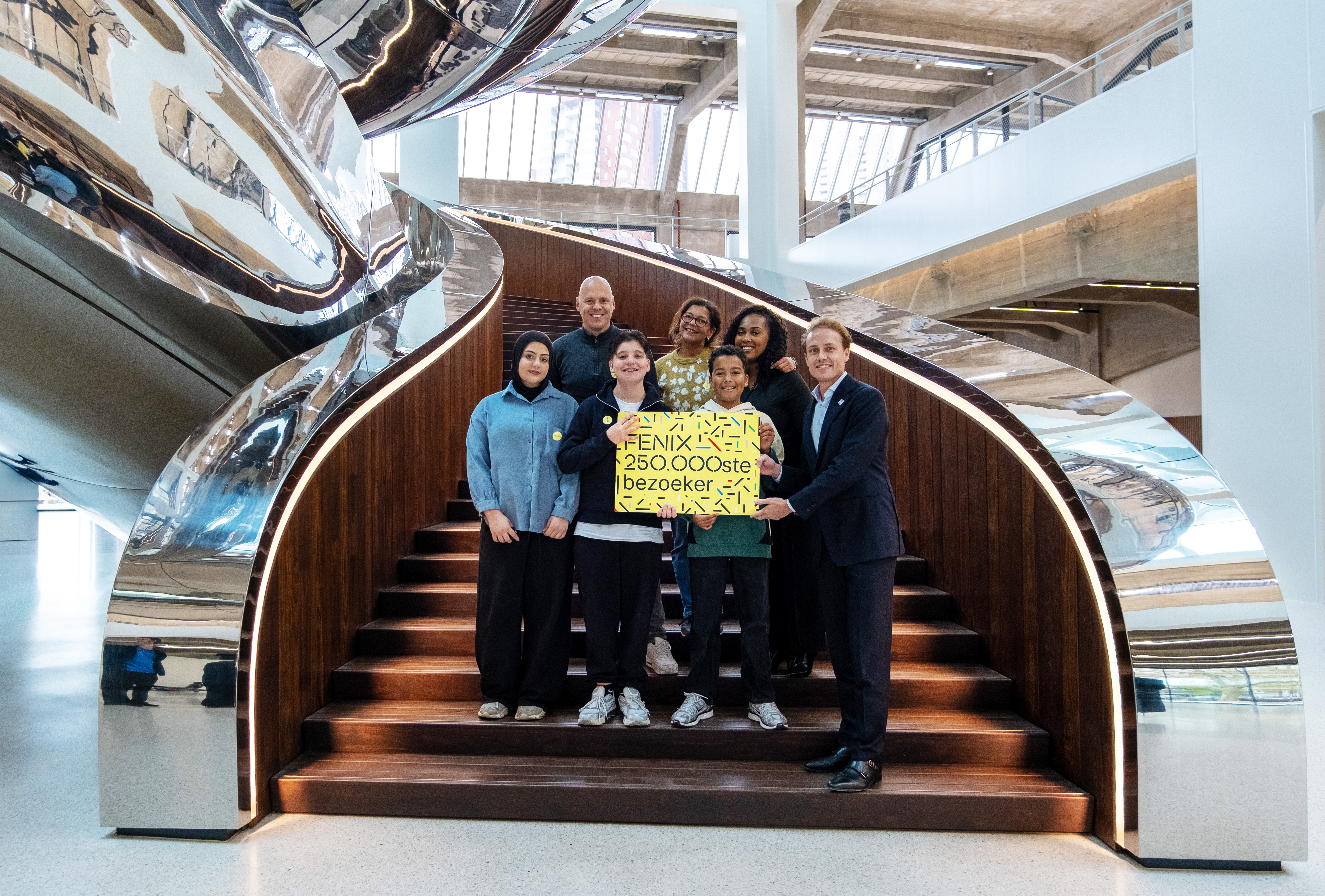
Fenix, the first Dutch art museum to acquire rare sculpture by Anton van Wouw (1862–1945).
The Hammer Worker: an early tribute to the anonymous labour migrant
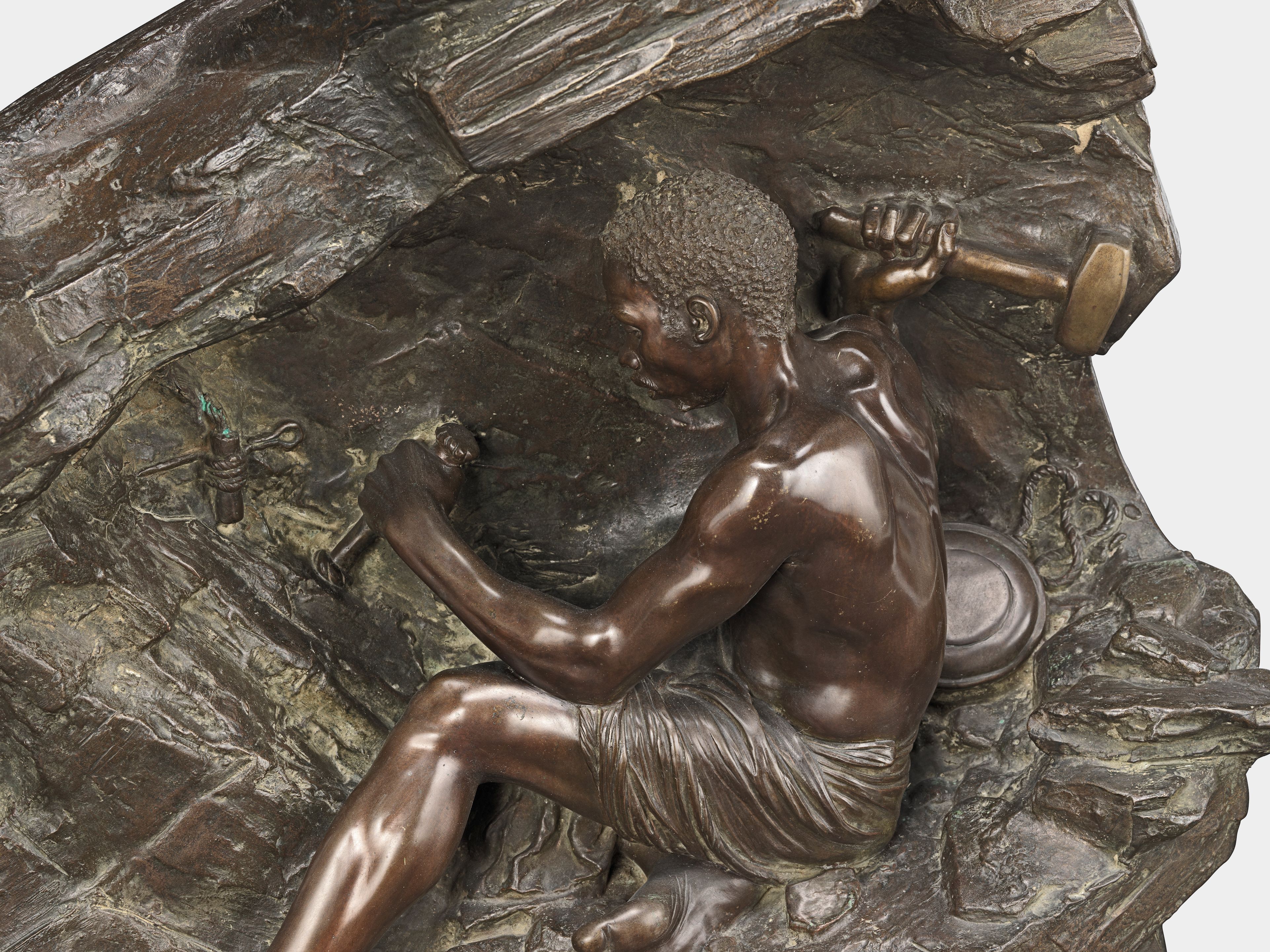
Anton van Wouw (Driebergen 1862 – Pretoria 1945), The Hammer Worker, bronze, 60.5 x 66 x 24 cm, signed and dated 'A van Wouw / 1911 Joh-burg'
Fenix becomes the first Dutch art museum to acquire a bronze sculpture by Anton van Wouw (Driebergen, 1862 - Pretoria, 1945), widely regarded as the most prominent European sculptor active in a colonial context.
The sculpture, The Hammer Worker, depicts a miner and represents a type of migrant that remains globally relevant today. Contract labourers, refugees, migrant workers and undocumented individuals continue to work in physically demanding sectors such as greenhouse horticulture and the meat processing industry. The Hammer Worker offers a timeless representation of migrant labour. Van Wouw himself is of Rotterdam origin and exemplifies the artist who relocates abroad in search of opportunity.
Forgotten in Europe
Anton van Wouw spends his formative years in Rotterdam, where he attends the Academy of Fine Arts. In 1889, at the age of 28, he departs for Mozambique, subsequently settling in Pretoria and Johannesburg before ultimately returning to Pretoria. The majority of his extensive oeuvre is held in South Africa. Alongside small-scale bronze sculptures and portrait busts, he produces major commissions for architectural decoration and public monuments. Many of his bronzes are cast in Rome and Florence, situating his work firmly within the European artistic tradition. His subject matter, however, is distinctly South African. His work is represented in all major South African museum collections established during the colonial period. Notably, Van Wouw remains absent from European art museum collections and is largely unknown in the Netherlands, including in Rotterdam, the city that forms the foundation of his artistic career.
Goldminers
In 1886, vast gold deposits are discovered in the Witwatersrand, leading to a large influx of prospectors. This creates a strong demand for low-cost labour from neighbouring countries such as Tanzania, Zimbabwe, Botswana, and the Portuguese colony of Mozambique. The Portuguese colonial administration agrees to supply up to 100,000 workers annually from its southern provinces, home to the Shangaan people, who ultimately constitute approximately 60 percent of the mining workforce. These labourers are required to cover their own travel and visa expenses and work under harsh conditions in the gold mines of the Transvaal. Their wages - paid in gold to the Portuguese authorities - are only disbursed at a later stage. Anton van Wouw is among the few artists to give these workers a visible presence in a number of sculptural works. The sculpture acquired by Fenix is a rare large-scale version of a miner; unlike the more common smaller bronze editions, this work weighs 58 kilograms.
About Fenix
Fenix is a new art museum about migration, located in the former San Francisco Warehouse (1923), once the largest warehouse in the world. It stands on Rotterdam’s historic quays of departure and arrival - sites from which millions of people embarked on new lives. From here, migrants departed for destinations such as the United States and Canada, or arrived from regions including China, Cape Verde and Greece.
The museum presents works by almost two hundred artists from all continents, ranging from Old Masters such as Hans Holbein to contemporary figures including William Kentridge, Yinka Shonibare and Chiharu Shiota, demonstrating that migration is both timeless and universal.
In addition to the continuously changing presentation of international artists in the exhibition All Directions, Fenix presents the permanent installation The Suitcase Labyrinth, consisting of 2,000 suitcases donated by private individuals. Also on permanent view is the photographic exhibition The Family of Migrants, featuring 200 images on the theme of migration by 136 photographers in 55 countries. A defining architectural feature of Fenix is the 30-metre-high Tornado, designed by MAD Architects, incorporating a double-helix staircase leading to a panoramic viewing platform overlooking Rotterdam.
Fenix is an initiative of Droom en Daad.
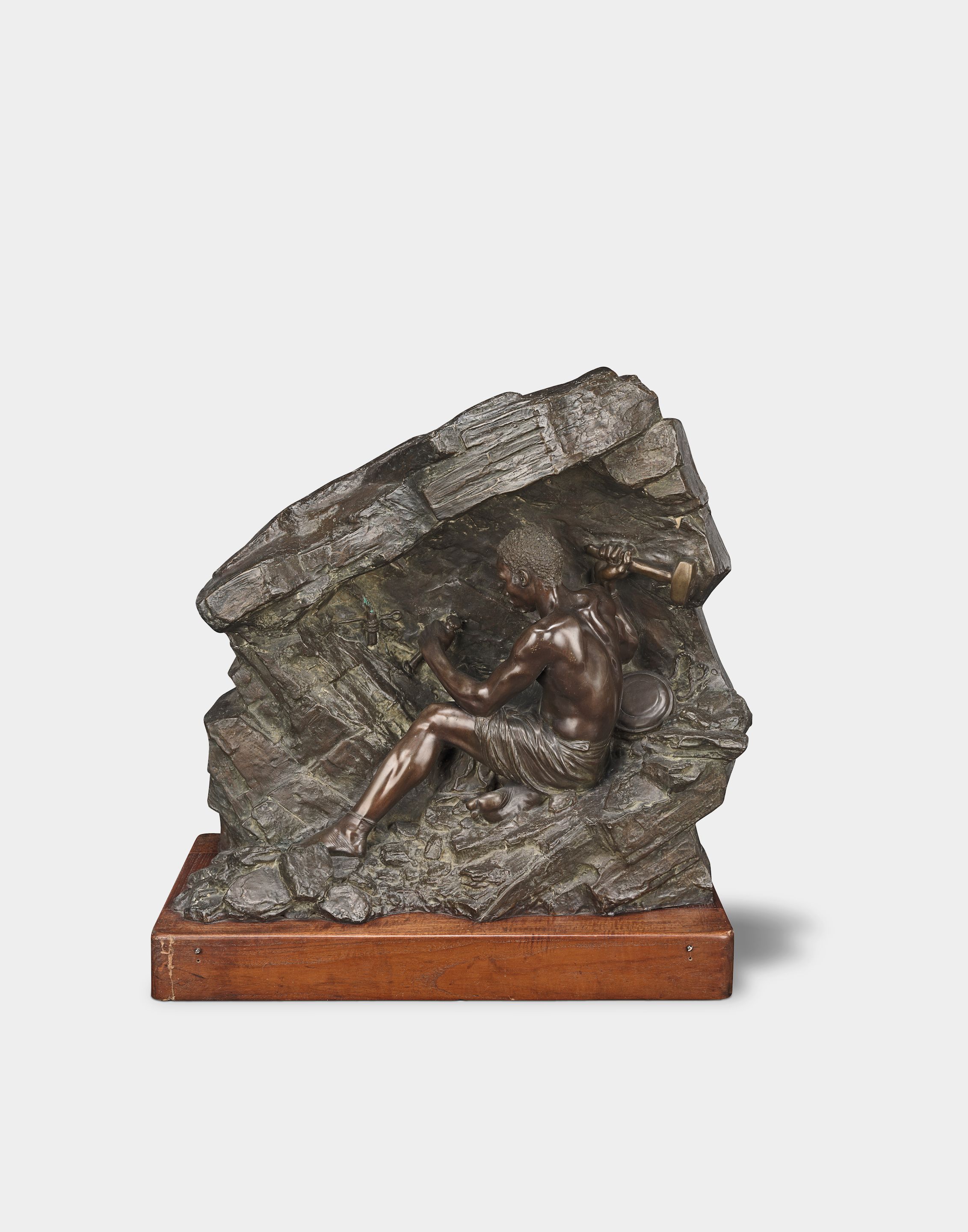
Anton van Wouw (Driebergen 1862 – Pretoria 1945), The Hammer Worker, bronze, 60.5 x 66 x 24 cm, signed and dated 'A van Wouw / 1911 Joh-burg'
Related news
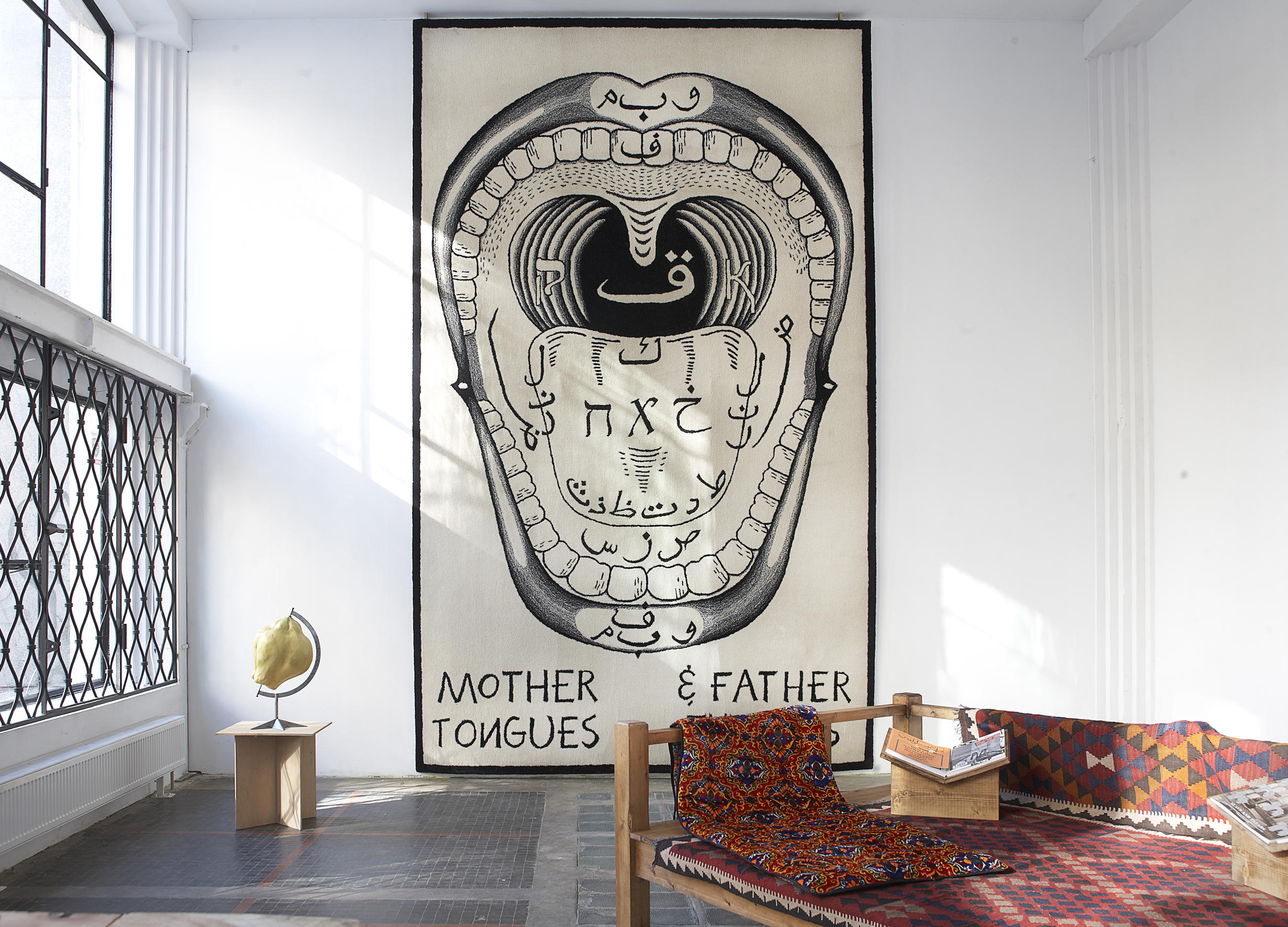
Fenix, the first Dutch art museum to acquire rare sculpture by Anton van Wouw (1862–1945).
The Hammer Worker: an early tribute to the anonymous labour migrant
Read more...