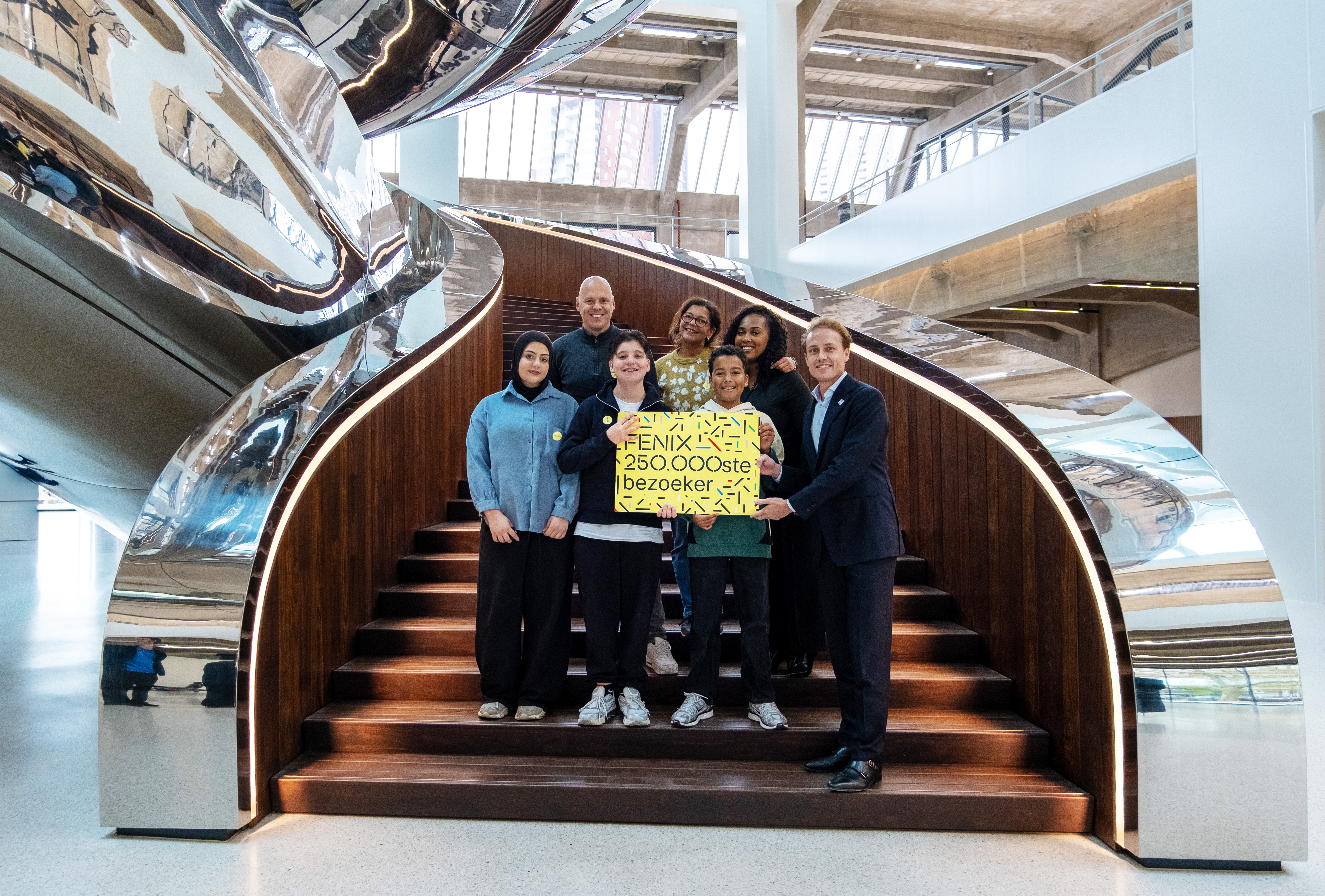
Fenix to present first major Slavs and Tatars exhibition in the Netherlands, marking 20 years of the collective
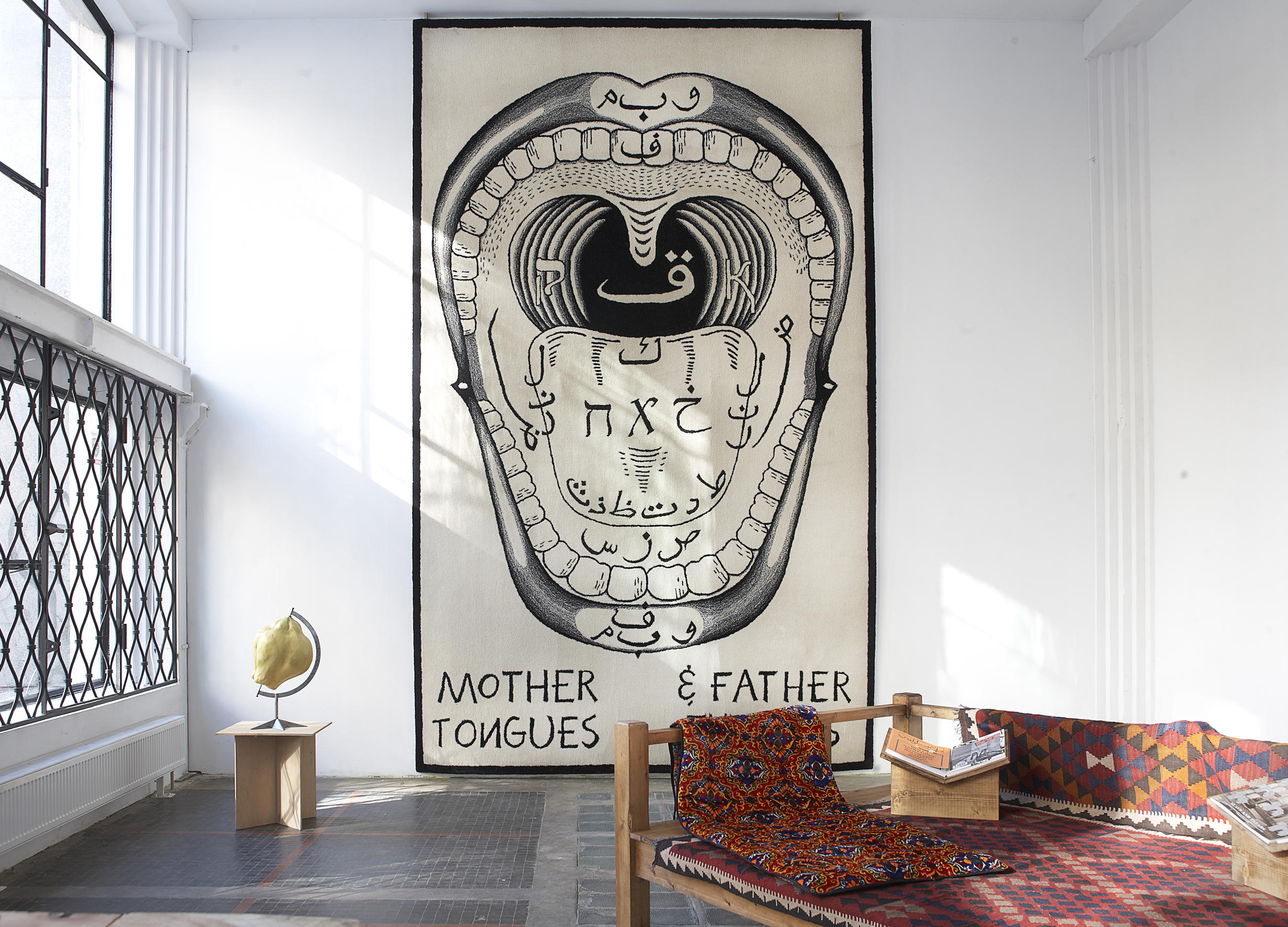
Mother Tongues and Father Throats, 2012. Raster Gallery, Warschau.
International art collective Slavs and Tatars will have their first major presentation in the Netherlands this autumn, celebrating 20 years of the collective. Mouthfool will be at Fenix, Rotterdam’s new art museum dedicated to migration.
19 November 2026 to 9 May 2027.
This will be the inaugural exhibition in Fenix’s new 650sqm gallery space, opening after the success of the museum’s first year. The new space will allow for in-depth exploration and current perspectives on migration, seen through the eyes of contemporary artists. It will be on the ground floor of Fenix and compliment the permanent exhibitions All Directions, Family of Migrants and The Suitcase Labyrinth.
Slavs and Tatars was formed in 2006. Their work spans a vast region stretching from the former Berlin Wall to the Great Wall of China. While the region is often viewed through the lens of war, conflict and national borders, the collective takes a different starting point: language, and in particular the encounter between Slavic and Turkic linguistic and cultural worlds. With a combination of humour and astute observations, they show how porous political borders are, and the way in which food, myths, and language move freely through them.
In Mouthfool, Slavs and Tatars focus on the way in which language travels, changes and migrates, becoming far more than a means of communication. The exhibition includes dozens of works across sculpture, textiles and sound, including: Mother Tongues and Father Throats (2012), a carpet depicting letters of the Arabic alphabet within an anatomically-labelled mouth; and Tongue Twist Her (2013), their iconic 3m tall sculpture of a tongue wrapped around a dance pole.
A highlight of the exhibition is Molla’s Reverse Ride (2026) a new work commissioned by Fenix which will take over Plein, the museum’s free inside city square. The work is inspired by the folk character known as Molla, perhaps the most famous folk character in the region of Slavs and Tatars’ work, whose stories have been told for more than 700 years. Audiences will be invited to sit backwards in bright red race cars that are driven around a track, mimicking Molla who is often depicted sitting backwards on his donkey.
Fenix opened in May 2025 and had half a million visitors from over 100 countries in its first year, making it the most visited art museum in Rotterdam. Fenix is located in a restored historic warehouse, which has been transformed in a radical design by Ma Yansong of MAD Architects. The 16,000 sqm building, dating from 1923, was once part of the largest warehouse in the world. Visitors immediately see its architectural masterpiece the Tornado, an organic, dynamic structure evocative of rising air. This double-helix staircase climbs from the ground floor and flows up and out of the rooftop onto a viewing platform hovering above the city.
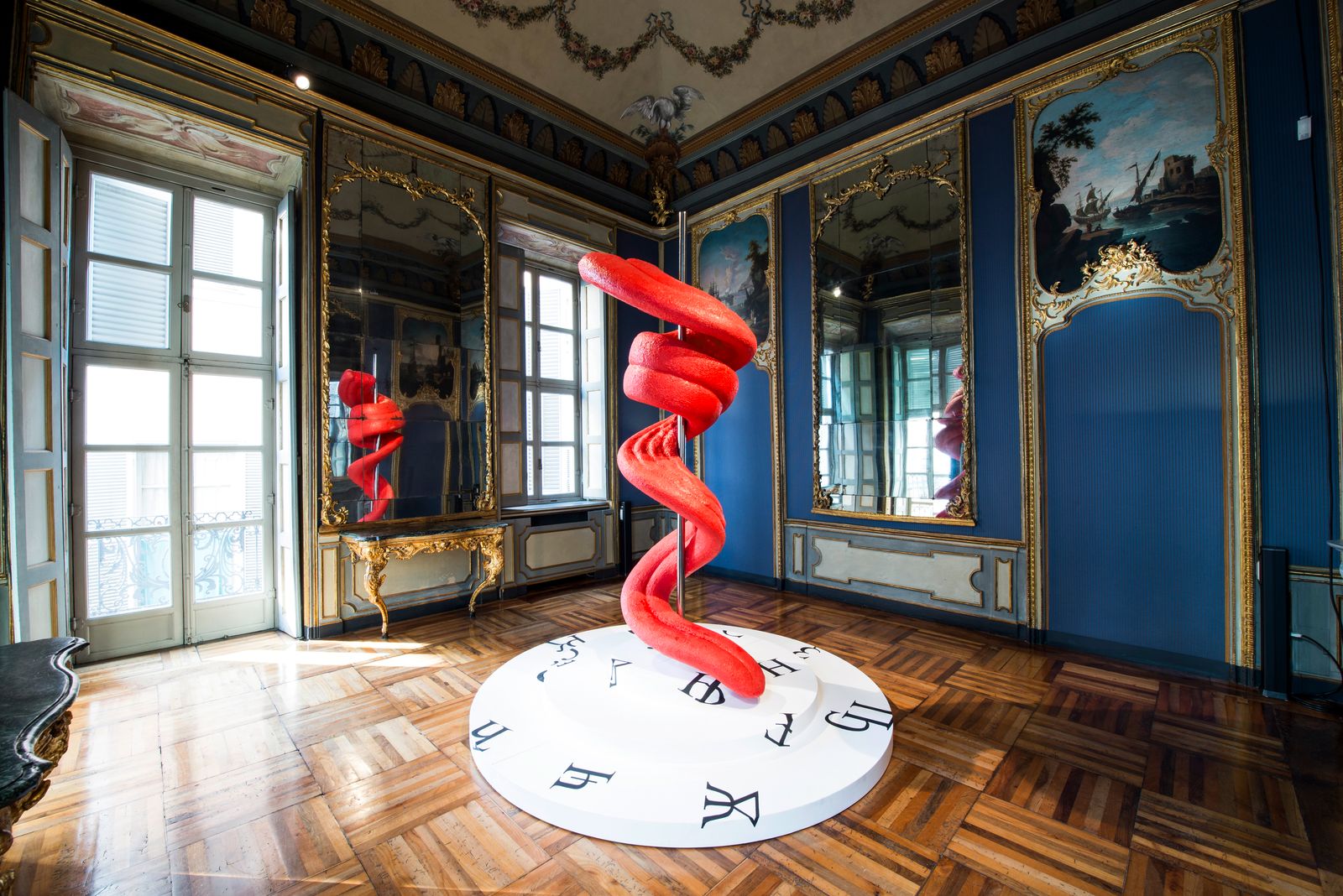
Tongue Twist Her, 2013. Palazzo Capris, Turijn, 2016.
Slavs and Tatars said:
“We are delighted to celebrate our twentieth anniversary at Fenix and look forward to introducing audiences to the character of Molla/ Nasreddin, our mascot and the star of a large-scale new work. Like him, we move forward while looking back: our work always begins by unearthing stories, languages and traditions from the past, and show how relevant they are today. As Faulkner said, the past is never dead. It isn’t even past.”
Anne Kremers, Director of Fenix, said:
“Following a success first year, we are delighted to be expanding Fenix’s artistic programme and cultural offering with this new exhibition space. The powerful, intelligent and often humorous work of Slavs and Tatars is the ideal way to launch the space, inviting audiences to engage with themes of migrations through art. We look forward to welcoming visitors this autumn.”
An extensive programme will accompany the exhibition, including food, workshops and guided tours in different languages.
About Fenix:
Fenix is an international art museum devoted to migration, housed in a restored historic waterfront warehouse overlooking Rotterdam’s harbour. It was from the quays around this warehouse that millions of emigrants boarded ships bound for destinations such as America and Canada from the late 19th century, including notable figures such as Albert Einstein, Willem de Kooning, and Max Beckmann. The departure and arrival of people made Rotterdam the city it is today, one shaped by the more than 170 nationalities of its inhabitants.
Fenix gives space to migration stories from around the world - stories of love and farewell, of coming home and finding belonging, through the lens of contemporary art.
Notes to Editors
High-resolution images can be downloaded here. For additional visual materials or interview requests, please contact pr@fenix.nl.
Martine Willekens, PR manager: +31 6 53 60 04 31 or PR department: +31 6 44 24 69 68.
Related news
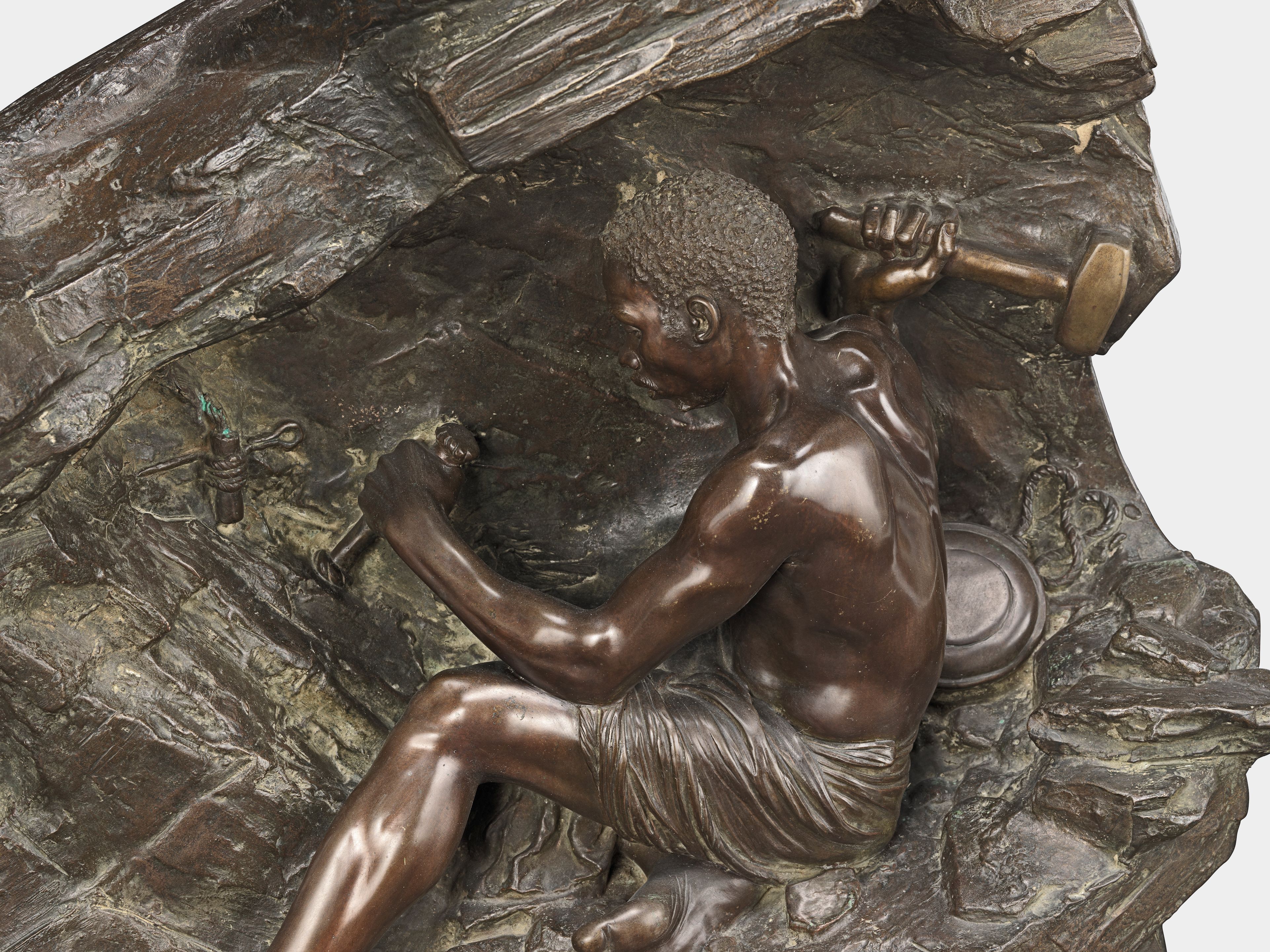
Fenix, the first Dutch art museum to acquire rare sculpture by Anton van Wouw (1862–1945).
The Hammer Worker: an early tribute to the anonymous labour migrant
Read more...